


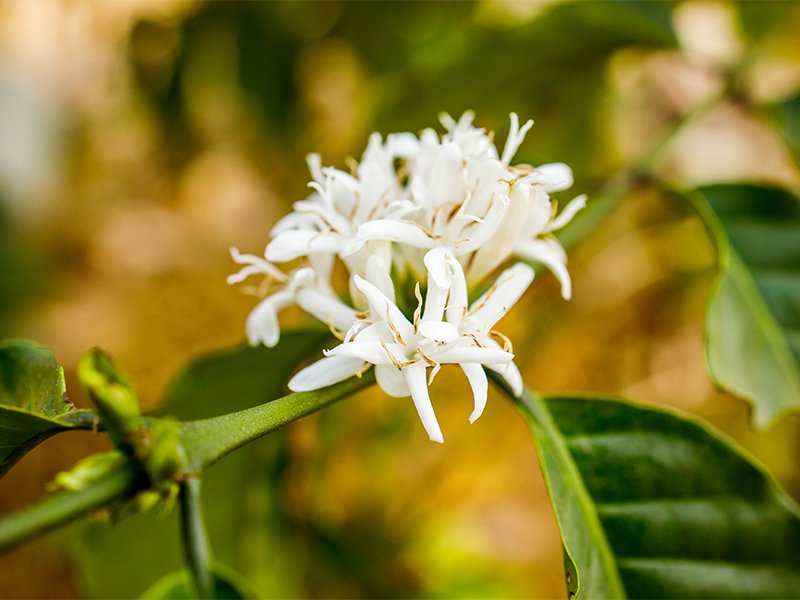
Coffee Flowering: Learn all about the beauty and science of this phase
The coffee flower represents the most anticipated spectacle for any producer who lives the day-to-day life of the field. This natural phenomenon not only beautifies farms throughout Brazil, but also marks the official beginning of a new harvest. Although it is a visually stunning moment, the opening of the flowers requires very specific climatic conditions and precise techniques to guarantee a bountiful harvest in the future.
The awakening of the coffee flower in the field
The emergence of the flowers usually happens after the first rains that end the dry season. Coffee plants depend on this water shock so that the flower buds, which were dormant, finally open. When the water hits the soil, the physiology of the coffee plant reacts quickly and intensely. Thus, the branches are covered with small white flowers that exude an aroma very similar to that of jasmine.
This period of beauty is extremely short and lasts only a few days. During this interval, pollination occurs, an essential process for the flower to transform into the small fruit, which is the coffee in its initial stage. Therefore, any abrupt variation in the weather during this week can seriously compromise the productivity of the entire harvest. Excessive rain can knock off the flowers, while a lack of rain prevents the fruit from attaching to the branch.
Climatic factors that influence coffee flowering
Temperature and humidity are the main drivers of this spectacle of nature. Arabica coffee, very common in our regions, prefers milder climates so that flowering occurs uniformly. In addition, sunlight plays a crucial role in photosynthesis, providing energy for the plant to sustain future fruits. Without the correct balance between these elements, the harvest runs real risks of loss.
Often, coffee flowering occurs in several stages, which we call successive flowerings. This occurs when rainfall is irregular, causing the plant to flower at different times. For the industry, this represents a logistical challenge, as the beans ripen at different times on the same branch.
The importance of nutrition for flower vigor
A well-nourished plant has a better chance of sustaining flowering than a weakened plant. The use of fertilizers and soil amendments ensures that the coffee plant has energy reserves for this time of great biological effort. Elements such as boron and zinc are fundamental for the correct development of the pollen tube. Without this nutritional base, the flowers can dry out and fall without producing fruit.
Therefore, preparation for flowering begins months in advance, even during the off-season. The producer needs to take care of the health of the root system and leaves so that the plant can support the weight of future production.
The role of ecology and pollinators in production
The presence of bees and other pollinating insects significantly increases the success rate of flowers. Although Arabica coffee is self-pollinating, that is, capable of self-pollination, external help contributes to larger and heavier fruits. Therefore, maintaining biodiversity around the crop is a smart environmental management strategy. Ecology favors productivity when the natural cycle of insects is respected.
In addition, the preservation of riparian forests and reserves helps regulate the microclimate temperature of the farm. This protects the coffee plantation from strong winds that could cause premature petal drop.
Challenges of management during coffee flowering
One of the biggest fears of producers is the occurrence of frosts or dry spells soon after the flowers open. The coffee flower is extremely sensitive to intense cold and extreme heat. If temperatures fall outside the ideal range, flowering may abort, a technical term used when the plant discards the flowers due to stress. Therefore, the choice of region and variety of planting are strategic decisions for the success of the business.
Another point of attention is the pests and diseases that can attack precisely at this vulnerable stage. Phytosanitary control must be carried out carefully to preserve pollinators and, at the same time, protect the flowers from fungi that cause floral rot.
Technology in industrial processing
As soon as flowering ends and the fruits begin to grow, the producer should already be thinking about the roasting phase. The uniformity of the flowers directly impacts the uniformity of the harvest and, consequently, the quality of the roast. Beans harvested at the right point of ripeness, without mixing in green fruits, facilitate temperature control inside the roaster.
Preserving the essence of coffee in roasting
For all the effort begun in the flowering stage to reach the consumer perfectly, the final stage requires precision. SIATEC Brasil® develops solutions focused on precision and control in coffee processing. Our mills are designed to operate with very low noise levels and deliver consistent productivity, focusing on the quality of the final product.
We want each cup produced with our machines to tell the success story that began in the flowering stage. If you are looking to raise the standard of your roasting and reach new markets, SIATEC is the ideal partner.
Discover SIATEC Brasil® solutions and bring more consistency, performance and safety to your roasting.