


Acrylamide in coffee roasting: why does it form?
Acrylamide is a chemical compound that can form naturally in certain foods subjected to high temperatures. Potatoes, bread, cookies, and coffee are among the products where this substance can appear.
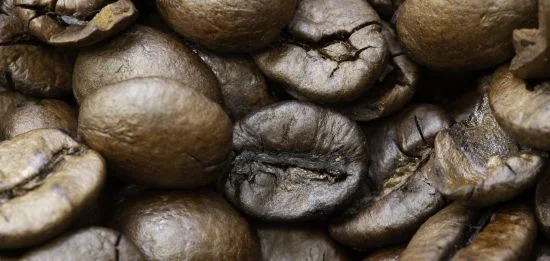
In coffee, its formation occurs primarily during roasting. This happens because the green bean undergoes chemical changes triggered by heat. Among these is the reaction between reducing sugars and asparagine, an amino acid naturally present in coffee.
Therefore, understanding the relationship between heat and the formation of this compound helps explain why controlling the roasting process is a key issue for the industry.
What is acrylamide?
Acrylamide is a process contaminant. This means it does not need to be originally present in the food; under certain conditions, it can form during preparation or processing.
Formation occurs mainly in plant-based foods containing specific sugars and amino acids when they are subjected to high temperatures and low moisture. The Maillard reaction plays a role in this process and is also linked to the development of color, aroma, and flavor in foods.
Concerns arise because experimental studies link acrylamide exposure to genotoxic and carcinogenic effects. The IARC classifies the substance in Group 2A, a category for agents that are probably carcinogenic to humans. However, the scientific assessment itself distinguishes between results observed in animals and the evidence available regarding humans.
Where can the substance be found?
Acrylamide is not unique to coffee. It can appear in various foods when certain raw materials undergo processes such as frying, baking, or roasting.
Potato- and cereal-based products are among the primary dietary sources studied. Coffee is also identified as a food that can contribute to exposure to the substance. However, its presence does not mean that all foods contain the same amount. Concentrations can vary depending on the raw material and the processing conditions employed.
In the case of coffee, the roasting stage is the most critical factor in understanding how this substance forms.
Why does roasting produce acrylamide?
Green coffee beans contain the necessary components for this reaction to occur. When the bean is exposed to heat during roasting, sugars and amino acids undergo a series of chemical reactions.
Asparagine plays a key role in this process; when it reacts with certain carbonyl compounds, it can form acrylamide. This mechanism is linked to the Maillard reaction, which is also responsible for transforming green coffee into roasted beans.
Temperature and the duration of heat exposure influence these reactions. Studies indicate that acrylamide levels may rise during the initial stages of roasting and subsequently decrease as heating continues. Consequently, there is no simple correlation where a longer roast automatically results in higher acrylamide levels.
Roasting control matters
Roasting involves multiple simultaneous variables. Temperature, time, and heat transfer all affect the transformations occurring within the bean.
Coffee research shows that acrylamide formation occurs primarily during roasting and that concentrations vary based on the conditions used. Therefore, scientific studies continue to explore ways to reduce its formation without compromising the coffee's desired sensory characteristics.
Striking this balance is crucial. After all, modifying the process to reduce a specific compound cannot be viewed in isolation; roasting also determines key coffee attributes such as aroma, flavor, and color.
How does technology facilitate this control?
This is where the roasting equipment becomes vital. A roasting system must allow for heat transfer that is both controlled and tailored to the specific profile defined for the coffee. In the SIATEC Master Line, the roasting chamber utilizes a fluidized bed and negative pressure. This system promotes more efficient circulation and more stable process control, thereby reducing acrylamide formation.
The technology is, therefore, directly linked to the control of roasting conditions. For the industry, this allows for greater command over the variables involved in the process, rather than treating the formation of the substance as an isolated phenomenon.
It is worth noting that acrylamide reduction in coffee remains a subject of scientific study. Research indicates that various strategies can influence its formation, but also shows that such control measures must take into account the impact on the beverage's final characteristics.
Control that starts at the roaster
Acrylamide formation is part of the natural chemistry that occurs when coffee undergoes roasting. Understanding this reaction helps the industry make more informed decisions regarding the process.
At SIATEC Brasil®, we develop roasters for the coffee industry featuring technologies designed to control the roasting process. The Master Line combines fluidized bed technology with negative pressure to manage heat in a more controlled and uniform manner.
Discover SIATEC Brasil® roasters and see how technology can contribute to a more controlled roast.