


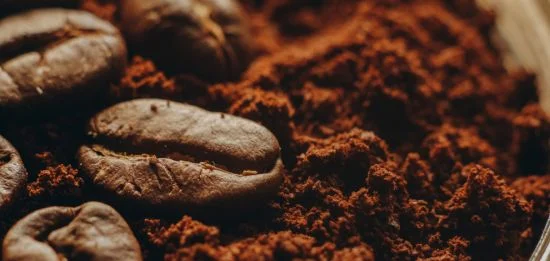
Blend vs. Single-Origin Coffee: Understanding Production Differences
Single-origin coffee refers to coffee linked to a specific place of origin, whereas a blend results from combining different coffees. Both concepts are part of the production chain and serve specific purposes regarding composition and marketing.
In Brazil, the Ministry of Agriculture and Livestock (MAPA) defines a blend as a product resulting from mixing different species or qualities of beans from the Coffea genus. The diversity of Brazilian production allows for various coffee combinations, taking into account the characteristics of both the beans and the resulting beverage.
To better understand these categories, one must look at where the beans come from and how they are selected to create the final product.
What characterizes single-origin coffee?
The term single-origin coffee is used to identify coffees linked to a specific provenance. In the specialty coffee market, the concept of single-origin relates to identifying exactly where the coffee comes from.
This identification may refer to a specific region, a single farm (estate), or another geographical designation, depending on how the product is presented and tracked.
Origin also helps provide context for the coffee's characteristics. Factors such as the producing region, growing conditions, variety, and processing methods can all influence the sensory profile of the beverage.
How does a blend work?
A blend is created by mixing different coffees. This composition may combine beans from different regions, quality levels, or species, depending on the product's specific formulation.
Brazilian regulations officially recognize this term. According to MAPA, a blend can result from mixing different species or qualities of beans from the Coffea genus.
The composition must adhere to criteria established by the manufacturer. The ratio of the coffees used determines the product's final composition.
The diversity of Brazil's coffee-producing regions enables the creation of various blends. This variety encompasses coffees with distinct beverage characteristics and processing methods.
How does this affect coffee processing?
The product definition influences the decisions made throughout the processing stage. Roasting must take into account the characteristics of the beans entering the equipment and the desired profile.
When different coffees make up a single formulation, the industrial process must consider the blend's characteristics. Conversely, when working with a coffee of a specific origin, process control allows for the preservation of the characteristics associated with that specific lot.
Grinding is also part of this stage. Particle size affects extraction during brewing. Parameters such as grind size, brewing time, and temperature can alter extraction and the beverage's profile.
Therefore, understanding the raw material is a crucial part of processing.
Coffee origin, composition, and identity
Provenance helps identify where a specific coffee comes from. A blend, in turn, describes a composition formed by combining different coffees.
This information is also reflected in how products are presented to the market. Identifying the origin can provide details about the region, estate, or lot. In the case of blends, the composition brings together different coffees within a defined formulation.
Brazil boasts a wide variety of producing regions. Differences in climate, terrain, altitude, and latitude contribute to the production of various types of beans. This diversity also enables the creation of numerous blends.
The role of roasting and grinding
Once the raw material is selected, roasting becomes a key processing stage. Green coffee undergoes heat treatment until it reaches the desired roast level, in accordance with standards established by MAPA.
Controlling this process requires considering the characteristics of the coffee being used. Furthermore, the grind must be appropriate for the product's intended brewing method.
For the industry, this control requires equipment capable of operating according to the specific needs of each process.
Each coffee requires a carefully controlled process
Single-origin coffee and blends represent different approaches to handling the raw material. One is linked to the coffee's identified provenance. The other involves combining different coffees into a single blend.
This distinction begins with bean selection and extends through the roasting and grinding stages. Therefore, understanding the product's composition is crucial for determining how the industrial process will be carried out.
At SIATEC Brasil®, we offer equipment for coffee roasteries, providing solutions for roasting, grinding, and various stages of coffee production.
Discover our equipment and find the right setup for your roastery.