


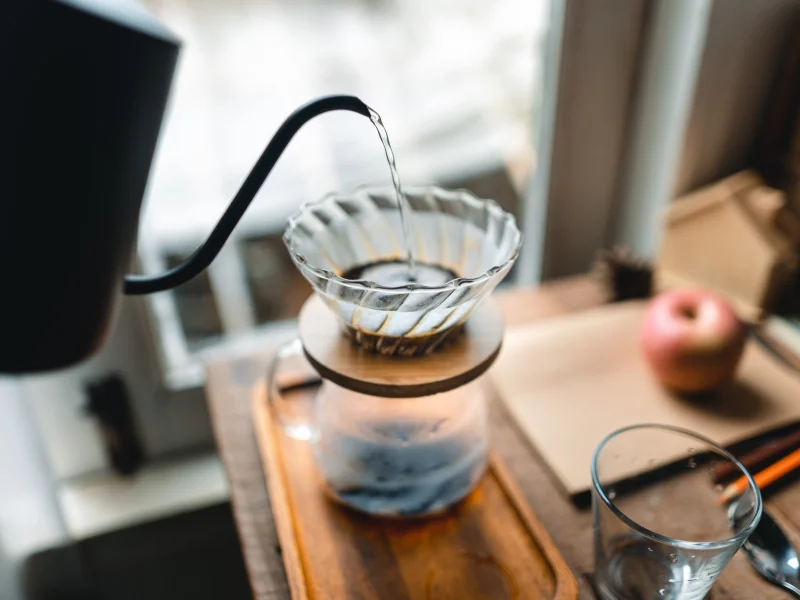
The Science of Water in Coffee: How Water Quality Affects Coffee Flavor
Coffee conquers palates and warms hearts around the world. But, behind this sensorial experience, there is an element that is often underestimated, but important for the quality of the drink: water. Although the coffee powder is the protagonist in the cup, water represents between 90% and 98% of the final composition. This means that it acts as a solvent, extracting the compounds that define the flavor, aroma and texture of the drink.
The importance of water in coffee extraction
Water is not just an ingredient in coffee. Its chemical and physical properties affect its taste and quality. The chemical and physical characteristics of water directly influence the flavor and quality of the drink. We start with temperature. The ideal water temperature to extract the best coffee is between 90°C and 96°C. If the water is colder, the coffee may be under-extracted, resulting in a weak, acidic drink. On the other hand, if the water is too hot, it can burn the coffee, giving it a bitter, metallic taste. The amount and type of minerals present in the water also have a major impact on the flavor of the coffee. Minerals like calcium and magnesium can enhance the coffee's flavor, while chlorine and sodium can mask the drink's nuances. The pH of the water is also important. The ideal pH for coffee is between 6 and 6.5, slightly acidic. In this range, coffee compounds dissolve in a balanced way, resulting in a drink with a balanced flavor and without excessive bitterness. And we can't forget oxygen. Oxygen-rich water can oxidize coffee, negatively affecting the taste and quality of the drink.
Water and different preparation methods
Water quality can significantly influence the flavor of coffee, and each brewing method may require a different type of water. Let's start with brewed coffee, whether using a French press or a percolator. In these methods, hot water slowly passes through the coffee powder, gradually extracting its compounds. To obtain the best result, water with medium mineralization and a slightly acidic pH is ideal. Now, when preparing espresso, hot water passes under high pressure through finely ground coffee, in a quick and intense process. To guarantee a creamy espresso with a balanced flavor, water with low mineralization and neutral pH is preferred. And the iced coffee? For iced coffee, the choice of water is even more important, as it influences the dilution of the drink. Use water with a low mineral content to prevent the coffee from becoming watery.
The importance of water in your cup
By choosing the water carefully, you take the coffee to a new level, revealing previously unimaginable flavors and aromas. Water becomes an essential ingredient for a complete sensory experience, where each sip is an explosion of unique sensations. Remember: water is the basis for extraordinary coffee. Explore the tips on this blog and try different types of water to discover the secret to preparing the perfect cup, always with the quality and flavor you deserve. References: https://blog.cafealfaia.com.br/cafe-gosto-bom-a-ciencia-por-tras-e-como-isso-afeta-o-sabor-do-seu-cafe/ https://coffeeresearch.org/ https://coffeeresearch.org/coffee/roasting.htm