


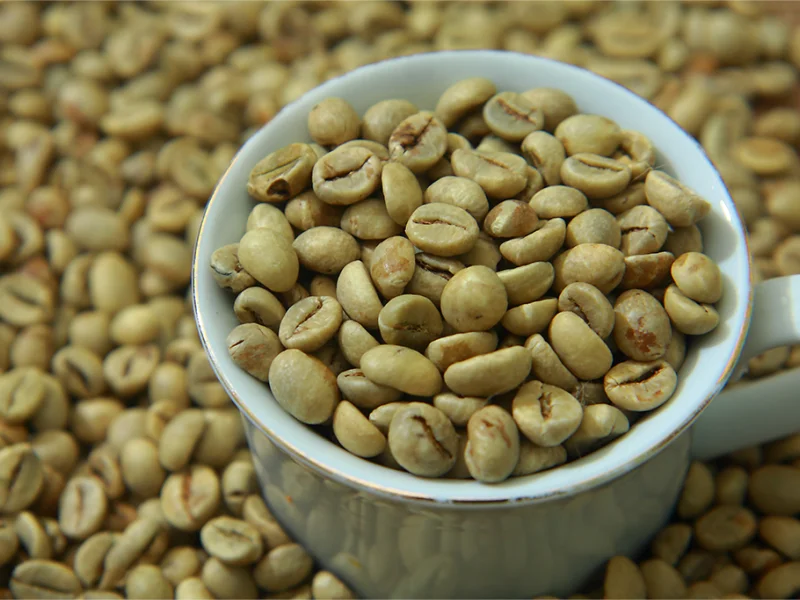
Green Coffee Classification: Understanding the Process
What does green coffee classification mean?
Green coffee classification refers to the analysis of raw, unroasted beans to define quality and uniformity. This procedure involves examining the size, density, defects, and color of the beans.
By adopting green coffee classification, producers ensure that the responding batch will be stable, yielding better in roasting and approaching a desired beverage standard.
Why it matters
Classifying green beans allows you to anticipate how they will behave during roasting. Smaller or defective beans tend to burn first or give undesirable flavors. Large, dense, and well-processed beans withstand roasting better and offer more consistency. According to SCA data, systems with few defects produce beverages with better aroma and flavor.
In addition, classification facilitates negotiations, traceability, and transparency in the market. Buyers seek well-graded lots to minimize risks and guarantee quality for the end consumer.
How is coffee graded?
Sieving by size
One of the first steps in green coffee grading is mechanized or manual separation using sieves of different diameters. For example, in Brazil, 13 to 19 inch screens (in fractions of an inch) are used to measure the size of the bean.
Larger beans allow for more uniform roasting; therefore, knowing the size helps define the roasting profile.
Density, color, and defects
Next, density is evaluated: denser beans tend to mature completely and offer superior quality. Flotation methods or air tables are used for this.
Color and the presence of defects are also part of green coffee grading. Beans with strange coloring, cracks, or borers are eliminated or sold in lower categories.
Final Examination and Categorization
In the end, according to the SCA or Brazil/New York method, the beans are categorized into quality ranges according to the number of defects, size, and sensory profile.
Differences between these systems
Each producing region adapts the green coffee classification to its varieties, cultivation methods, and market requirements. For example, the Brazilian method prioritizes sieves and counting defects in a 300 g sample.
Countries like Kenya or Ethiopia may use their own systems based on size or local designations (AA and AB). These differences make direct comparisons between international origins difficult.
Impact on the final product
A well-classified batch responds more predictably to roasting. Knowing that the beans have uniform size, adequate density, and few defects allows for the preparation of more accurate roasting curves, reducing losses and achieving better yield.
For roasting, the classification of green coffee is the starting point for defining the profile: for example, small beans require a faster curve; dense beans, more development time.
Furthermore, poorly classified batches increase the chance of sensory variations and waste, impacting cost and brand reputation.
How SIATEC Brasil® contributes to this process
At SIATEC Brasil®, we understand that coffee quality begins long before roasting.
That's why we develop equipment that values each stage of the process, preserving the bean's potential and ensuring consistent results.
SIATEC roasters, mills, and silos are designed to treat batches uniformly, ensuring that decisions made after classification are correctly reflected in the roasting process.
If you have invested in green coffee classification, carry forward this advantage with consistency, efficiency, and quality at every stage of production.
Good practices and challenges of green coffee classification
Some good practices are fundamental to ensuring accuracy and quality:
- Separate the beans by size using standardized sieves, following internationally recognized criteria.
- Evaluate the density of the beans, using air or water methods to identify which have better maturation and resistance.
- Carefully count and identify defects, respecting established industry standards.
- Store the beans correctly, maintaining moisture between 9% and 13%.
Before roasting, the basis of quality
When your operation respects the classification of green coffee, and roasting is done with appropriate equipment, such as that from SIATEC Brasil®, you put your beans in a position of excellence.
To learn more about our equipment and how it helps convert quality into results, visit our website or speak with our specialists.