


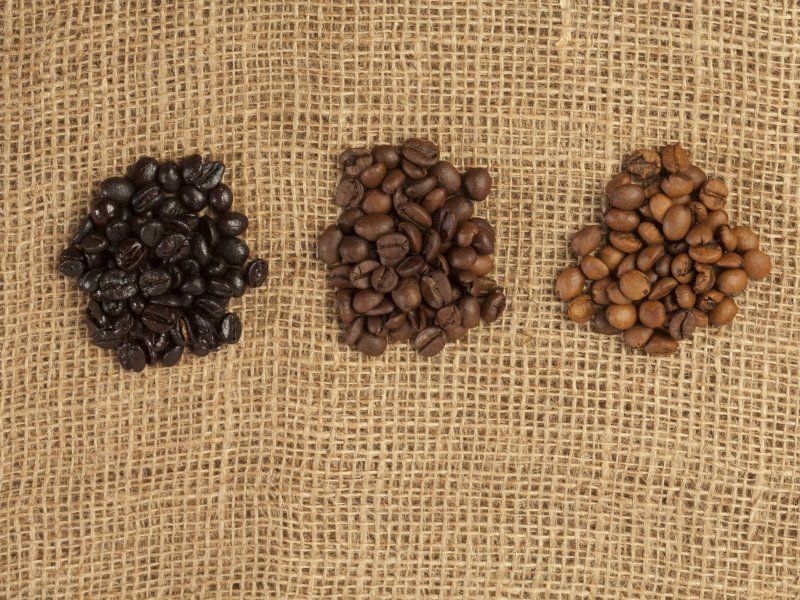
Coffee beans: discover some that are produced in Brazil
Brazil is one of the largest coffee producers in the world, responsible for a vast diversity of beans that delight palates around the globe. In addition to volume, the quality of Brazilian coffee is internationally recognized, with each producing region giving unique characteristics to each cup. Below, we will look at some of the main varieties of coffee beans produced in our country. The variety of the bean is only part of what defines the flavor of the coffee. Factors such as climate, altitude, soil, and even the processing method influence the final result. Brazil, with its territorial extension and different regions, offers a range of possibilities that allow the production of beans with unique characteristics. Some of the most common coffee varieties are: Bourbon, Mundo Novo, Catuaí and Obatã. These varieties are known for the quality of their beans and also for their ability to adapt to the Brazilian climate and their resistance to pests, ensuring abundant and quality harvests.
Bourbon
Bourbon is one of the most traditional and prestigious varieties of coffee in Brazil. Originally from the island of Bourbon, near Madagascar, it was brought to Brazil in the 19th century and has adapted very well to Brazilian soils. The Bourbon variety is known for its sweet flavor, with notes reminiscent of yellow fruits, such as apricots and peaches. This bean is generally grown in regions at higher altitudes, such as in the south of Minas Gerais and parts of São Paulo, where the climate favors the development of Bourbon's unique characteristics. The sweetness and balanced acidity make this variety a favorite for those who enjoy more delicate coffees with a smooth profile.
Mundo Novo
Mundo Novo is a natural Brazilian variety, the result of a cross between Bourbon and Typica. It is widely cultivated for its productivity and resistance, characteristics that help ensure good harvests year after year. Mundo Novo coffee has a fuller-bodied flavor and moderate acidity, which makes it a great option for those who prefer a coffee with a strong presence. Commonly cultivated in Minas Gerais and São Paulo, this bean also offers notes reminiscent of caramel and chocolate, which are very pleasing to the Brazilian palate. It is a popular choice for espressos and other drinks that require a fuller-bodied coffee with a more intense flavor profile.
Catuaí
Catuaí is one of the most widely cultivated varieties in Brazil and is the result of a cross between Mundo Novo and Caturra, a Colombian variety. The grain is quite adaptable, which makes it a versatile option for different growing conditions in Brazil. Catuaí has a mild flavor, with moderate acidity and a light body, and it can have notes of nuts and honey, which give it a subtle sweetness.
Obatã
Obatã is a more recent variety and was developed through crossbreeding to ensure resistance to pests and diseases, such as rust. This bean has a balanced flavor profile, with notes that can vary between citrus fruits and chocolate, depending on the terroir and the processing method. This variety is still gaining popularity in Brazil, but it is already highly appreciated, especially in regions such as Bahia.
The importance of the processing method
The method of processing the beans also directly influences the flavor of the coffee. In Brazil, the most common methods are natural and pulped. In natural processing, the beans are dried with the pulp of the fruit, which gives the coffee a more intense sweetness and a full body. The pulped method removes the pulp before drying, resulting in a coffee with higher acidity and a more delicate flavor. With increasing environmental awareness, consumers are also becoming more demanding, valuing beans of certified origin and grown responsibly.
How to choose your Brazilian coffee
Choosing a coffee depends largely on personal taste, and trying different varieties and regions of Brazil is a great way to understand what you like best. If you prefer a sweeter, fruitier coffee, you can start with a Bourbon from Minas Gerais. If you like a fuller-bodied coffee with hints of chocolate, try a Mundo Novo from São Paulo. For something more exotic, Obatã from Bahia could be an excellent choice. Brazilian coffee offers a myriad of flavors, and each variety of bean carries within it a bit of the history, soil and climate where it was grown. Whether delicate, intense, fruity or chocolatey, Brazilian coffees have something special for every taste.