


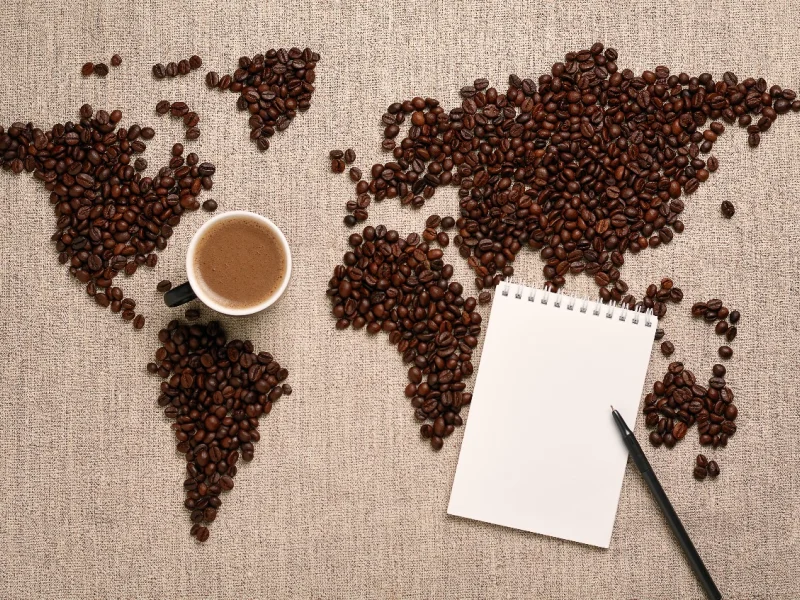
Coffee and culture: a global journey through roasting and consumption
Coffee is a drink that transcends borders and is enjoyed by millions of people every day, being much more than a simple morning pick-me-up. It is a cultural phenomenon that manifests itself in different ways in different parts of the world. Coffee's impact on culture isn't just a cliché; This is a reality deeply rooted in many aspects of human life. From its humble origins in the Ethiopian highlands to becoming the second most traded product globally, coffee has played a fundamental role in shaping our society. From the breakfast table to corporate boardrooms and social gatherings, coffee's presence is felt in every corner of the world. In many cultures, it is considered a symbol of hospitality, and the art of preparing and enjoying coffee has its own cultural differences. In this blog, we will embark on a journey to explore how coffee roasting and consumption varies in different cultures around the world. Let's dive into the traditions and rituals that make the coffee experience so unique in each culture.
The Birthplace of Coffee: Ethiopia
Ethiopia is often considered the birthplace of coffee. In the country, coffee is more than just a drink - it's a sacred ritual. The Ethiopian coffee ceremony, or 'Buna', is an elaborate practice that involves roasting coffee beans by hand, grinding them in a mortar and cooking the coffee in a clay container called a 'jebena'. This ritual is an integral part of Ethiopian hospitality and is often accompanied by incense and traditional bread. The coffee ceremony is a community experience, bringing together friends, family and neighbors. It is an expression of respect and friendship.
The Art of Espresso: Italy
In Italy, coffee is synonymous with espresso. Served in small cups, espresso is a strong, aromatic drink that is enjoyed in small sips. Italian roasts tend to be darker, resulting in a more robust flavor. Coffee in Italy is often consumed at the bar, with Italians stopping for a quick 'caffè' on the way to work. Additionally, Italy is known for its diverse coffee variations, such as cappuccino, macchiato, and latte.
The Turkish Coffee Tradition
In Turkey, coffee is prepared in a unique way that dates back to the 16th century. Turkish coffee is made in a small copper pot called a ‘cezve’. Coffee is ground until it is almost powdery and then cooked with water and sometimes sugar, resulting in a thick, rich drink. The coffee grounds that settle at the bottom of the cup are often used for divination. Turkish coffee is more than a drink, it is an important part of Turkish hospitality and is served during special occasions.
Filtered Coffee: United States
In the United States, filtered coffee is king. This method involves passing hot water through a filter containing ground coffee. American roasts range from light to dark, and coffee is often consumed in large quantities throughout the day. Coffee shops are a pillar of American culture, serving as gathering places for friends, coworkers, and students. Additionally, coffee culture in the United States has also seen the emergence of specialty coffee shops, where the focus is on the quality and provenance of coffee beans.
The Coffee with Condensed Milk: Vietnam
In Vietnam, coffee is often served iced with condensed milk, a legacy of French influence. Coffee is prepared using a small metal filter called a 'phin', and Vietnamese roasts often include chicory, which adds a touch of sweetness and nuttiness. Vietnamese coffee is known for its strong and sweet flavor, and is an essential part of breakfast culture in Vietnam.
Coffee in Scandinavia
Scandinavian countries, especially Finland, Norway and Sweden, have the highest per capita coffee consumption in the world. In Scandinavia, coffee is often consumed black and is a central part of social life. In Sweden, they have a tradition called 'fika', which is a coffee and sweet break, and is an important part of work culture and social life.
Coffee in Brazil
Brazil is the largest coffee producer in the world and coffee is an important part of Brazilian culture. According to Globo Rural and SoCientífica, Brazil represents around 38% of global coffee production. Brazilian coffee is often served very sweet and is consumed throughout the day. In the country, coffee is more than just a drink, it is a moment of pause and relaxation. In conclusion, coffee is a drink that transcends borders, uniting people from different cultures. Each country has its own unique way of roasting, preparing and enjoying coffee, making it an intrinsic part of its cultural identity. So the next time you sip coffee, remember that you're participating in a global tradition that's as diverse as the people who enjoy it.