


Coffee Degassing: Learn everything about this stage
Many consumers and even new industry professionals believe that the bean is ready for consumption as soon as it leaves the cooling tray. However, food science demonstrates that roasted coffee undergoes significant physical and chemical changes in the days that follow. During the controlled roasting process, heat breaks down sugars and amino acids, generating a large volume of gases. Understanding the proper resting period for the product is the key to ensuring a perfect cup, free from sensory alterations or pressure buildup in the packaging.
What happens to the bean right after roasting
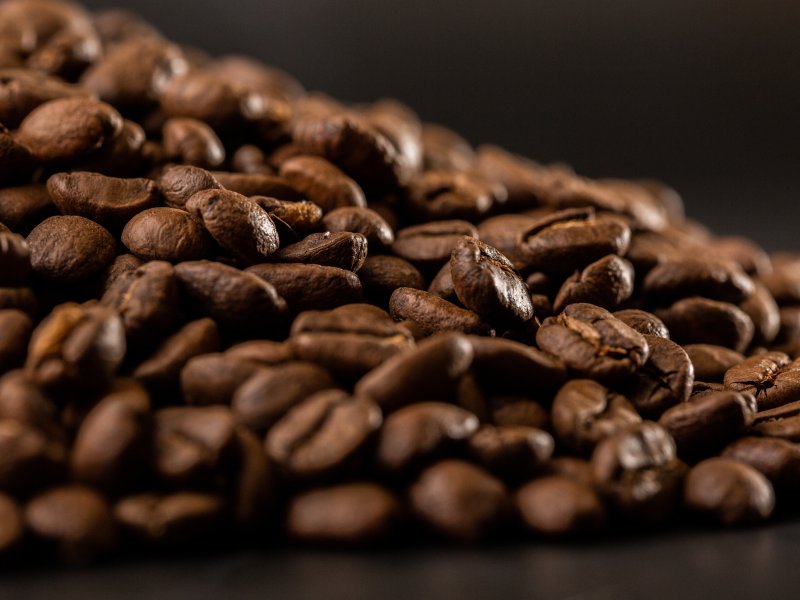
During the industrial thermal process, the coffee bean's cellular structure expands and becomes porous. This internal transformation traps gases inside the seed, with carbon dioxide (CO₂) being the primary component. Immediately after leaving the roaster, the bean begins the natural, gradual release of these accumulated gases. This specific chemical phenomenon is technically known as degassing and lasts anywhere from a few days to a few weeks, depending on the roast profile applied.
Gas release is most intense during the first 24 to 48 hours. Darker roasts accumulate a greater volume of gas because the internal pressure ruptures more cellular structures. Conversely, medium or light roasts release carbon dioxide more slowly and steadily. Monitoring this physical behavior is essential to prevent package bloating and ensure the stability of the final product.
Why does coffee need to rest before consumption?
If you brew a cup using beans roasted just a few hours prior, the sensory experience will be compromised. The excess carbon dioxide still trapped within the bean creates a physical barrier that prevents proper contact between the water and the soluble compounds. During brewing, this gas causes excessive bubbling, resulting in uneven and incomplete extraction. Consequently, the beverage exhibits unbalanced acidity and a slightly metallic or sharp taste.
Therefore, a controlled resting period is essential for the flavor profile to fully stabilize. As the bean releases excess CO₂, essential oils and aromatic compounds are freed up. This allows the water to evenly dissolve sugars and organic acids during brewing. The ideal resting time ranges from five to ten days for the coffee to reach its peak sweetness and body.
The role of aroma valves in professional packaging
The packaging industry has developed a brilliant technical solution to manage the release of these gases: the one-way degassing valve—that small plastic component found on the top of specialty coffee bags. This technology performs a vital dual function for product preservation at the point of sale. It allows carbon dioxide to escape continuously from the inside out, preventing the package from swelling or bursting.
At the same time, the mechanism completely blocks external oxygen from entering the package. Oxygen is roasted coffee's greatest enemy, as it accelerates oxidation and causes the beans to go rancid. Without this smart protection, producers would have to wait for the coffee to fully degas in the open air before packaging. Such a delay would expose the batch to the environment, ruining volatile aromas and reducing the brand's shelf life.
The importance of storage in the industry
Managing the production flow requires well-structured facilities and suitable containers to accommodate the volume generated. Large-scale roasters must store the coffee securely while the beans undergo the initial phase of gas release. Keeping the product in environments with controlled temperature and humidity prevents sudden fluctuations that could alter the rate of degassing. Environmental stability preserves the physical integrity of the beans until the grinding or shipping stage.
Failures in storage logistics often lead to financial losses and a decline in quality standards. Beans exposed to excessive humidity readily absorb moisture due to their porous structure. Therefore, the use of vertical, airtight containers optimizes physical space and protects the coffee from external contamination. Mastering this phase ensures the product reaches the international market with optimal freshness and credibility.
SIATEC Brasil® Technology
To ensure your roasting operation manages time and bean quality with complete predictability, we offer our own in-house engineering solutions. At SIATEC Brasil®, we manufacture state-of-the-art coffee roasting equipment. We are deeply committed to providing machines that deliver exceptional thermal stability and performance.
Contact us to discover how our equipment can boost your production.